
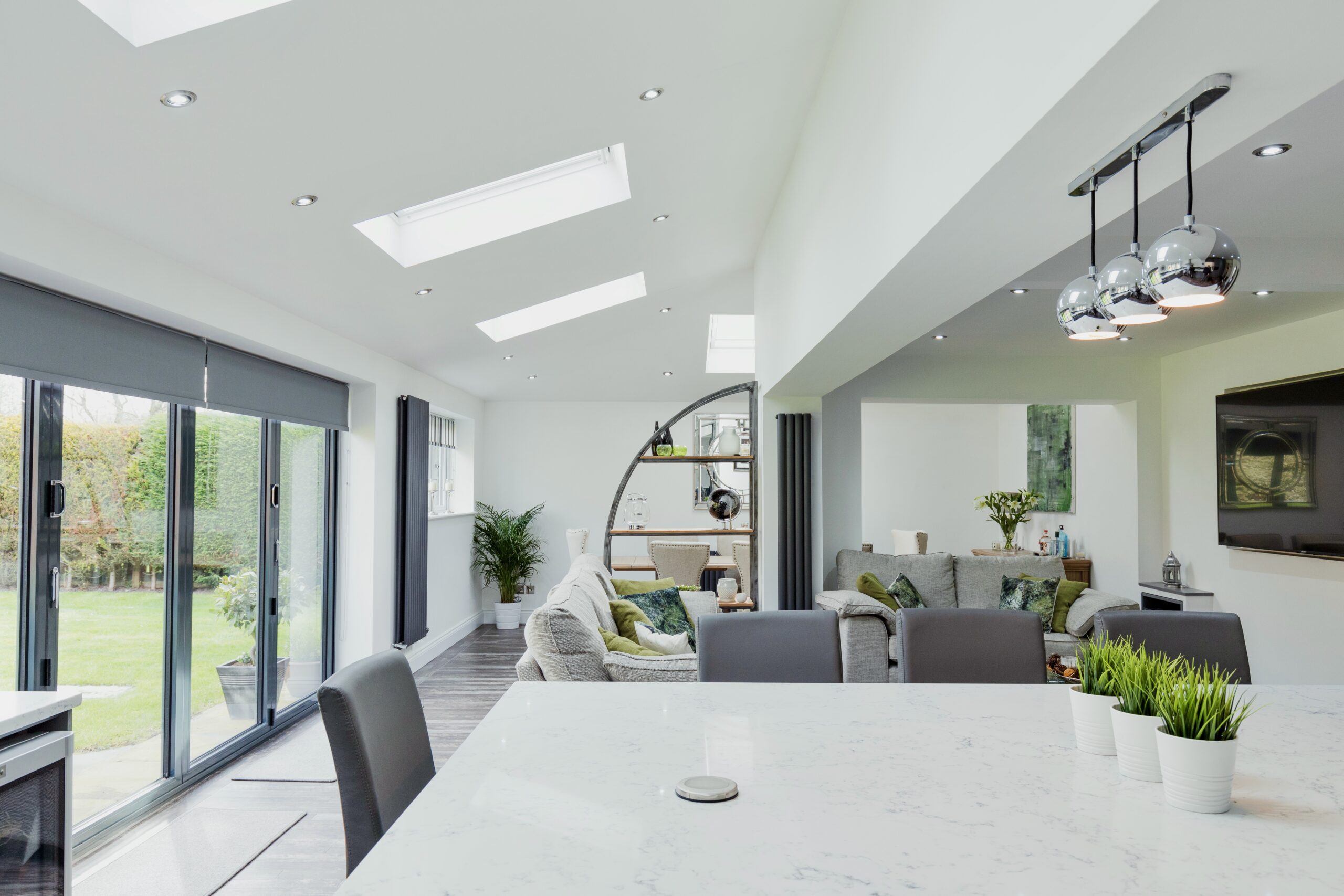
If you’re thinking about extending your home in Nottingham, the first question on your lips is probably: “how much is a house extension going to cost me?”
It’s a fair question, and one we get asked every single week. But we’ll be honest with you from the start: there is no single answer. A house extension is not like buying a car or a new kitchen off a shelf. It’s a bespoke construction project, and the cost depends on a whole range of variables specific to your home, your goals, and the finish you want.
What we can do is give you a clear picture of the factors that drive the cost, realistic budget ranges based on what we see on Nottingham projects in 2026, and the questions you should be asking before you get a single quote. By the end of this guide, you’ll be in a much better position to understand what your extension might involve and whether it’s the right move for you.
Why House Extension Costs Vary So Much
Before we look at any figures, it’s important to understand why two extensions of the same size can come back with quotes that differ by tens of thousands of pounds. This isn’t builders being inconsistent, it’s because the scope of work is genuinely different from project to project.
Some of the biggest cost variables include:
• The type of extension — single storey rear, double storey, side return, wraparound, or over an existing garage
• The size of the extension in square metres
• The materials specified — brick, timber frame, structural glass, steel
• The condition and age of the existing property — older homes can require more structural preparation
• Ground conditions — some Nottingham properties sit on clay-heavy or previously developed land, which affects foundation requirements
• The complexity of the design — a simple pitched roof addition is very different from a glazed flat-roof extension with bi-folds
• The quality of internal fit-out — basic plastered finish versus full kitchen, bathroom, or bespoke joinery
• Access to the site — tight terraced streets in areas like Sneinton or Basford can add complexity and cost
• Heating, plumbing, and electrical requirements
No reputable builder can give you a realistic figure for a house extension without seeing your property and understanding what you want to achieve. Anyone who quotes blind without a site visit should be treated with caution.
What Are the Typical Price Ranges for a House Extension in Nottingham?
With all of the above caveats in mind, here are the broad budget ranges we typically see for house extension projects in Nottingham in 2026. These are intended as planning guides only, not fixed prices, and your actual costs could fall above or below these ranges depending on the specifics of your project.
Single Storey Rear House Extension
The most common type of house extension for Nottingham homeowners, typically used to extend the kitchen, create an open-plan kitchen-diner, or add a family room at the back of the property.
Estimated range: £25,000 to £65,000+
The wide range reflects the difference between a modest, straightforward addition and a larger rear extension with glazed roofing, bi-fold doors, underfloor heating, and a full kitchen fit-out. Size, specification, and finish are the biggest drivers here.
Double Storey House Extension
Adding two storeys rather than one gives you significantly more space for the additional investment, as the foundations and roof are already part of the build. Common uses include adding a bedroom above an extended kitchen, or creating a larger ground floor living space alongside a new bathroom or bedroom above.
Estimated range: £50,000 to £100,000+
While the upfront cost is higher than a single storey, the cost per square metre of usable space is often better value when you factor in the combined footprint.
Side Return House Extension
Popular with semi-detached and terraced homes in Nottingham, particularly in areas like West Bridgford, Arnold, and Sherwood, a side return extension uses the narrow passage alongside the property to extend the ground floor, often transforming a galley kitchen into a far larger, brighter space.
Estimated range: £30,000 to £55,000+
These projects can involve party wall considerations if the extension runs close to a neighbouring property, which your builder should factor into the plan from the outset.
Wraparound House Extension
A wraparound combines a rear and side return extension into a single L-shaped addition, maximising the available footprint without requiring planning permission in many cases (subject to permitted development limits, more on that below).
Estimated range: £45,000 to £85,000+
Over-Garage or First Floor House Extension
If you have an integral or attached garage, building above it can be a cost-effective way to add a bedroom, home office, or bathroom without impacting your garden footprint.
Estimated range: £35,000 to £70,000+
What’s Included in These Costs?
When you receive a quote from a builder, it’s important to understand exactly what is and isn’t included. At Haus Developer, our quotes are transparent and itemised, but here’s a general breakdown of what a full project cost typically covers:
Included in most extension quotes:
• Foundations and groundworks
• Structural frame (brick, block, timber)
• Roof structure and weatherproofing
• Windows and external doors
• External wall insulation to current building regulation standards
• Internal plastering
• First fix electrics and plumbing (routing of cables and pipes)
• Drainage connections if required
Typically priced separately or as additions:
• Architectural drawings and planning applications
• Building regulations fees and structural engineer’s calculations
• Full kitchen or bathroom fit-out
• Flooring
• Decorating
• Bi-fold or sliding doors (these can range significantly depending on spec)
• Roof lanterns or skylights
• Underfloor heating
• Party wall surveyor fees (if applicable)
Always ask your builder to clarify exactly what is and isn’t included. A quote that looks cheaper on paper may exclude items that another quote covers in full.
Planning Permission and Building Regulations in Nottingham
One of the most common questions we hear is: “Do I need planning permission?” The good news is that many single storey extensions in Nottingham fall under Permitted Development rights, which means you can build without applying for full planning permission, provided certain conditions are met.
Not sure whether your extension needs planning permission? Read our full guide: Do I Need Planning Permission for a House Extension in Nottingham?
Permitted Development limits for single storey rear extensions:
• Up to 4 metres from the original rear wall for detached houses
• Up to 3 metres for semi-detached and terraced houses
• Maximum eaves height of 3 metres and overall height of 4 metres
• No more than half the area of the original garden can be covered by outbuildings and extensions
These limits can be extended under the Larger Home Extension Scheme, which allows rear extensions of up to 8 metres for detached houses and 6 metres for semi-detached and terraced properties, subject to a neighbour consultation process.
Double storey extensions, side extensions, or projects on listed buildings or in conservation areas will typically require full planning permission. You can check whether your property falls within a Nottingham conservation area using the Nottingham City Council planning portal, and it’s worth doing this before you proceed.
Building regulations approval is required for all extensions, regardless of whether planning permission is needed. This is separate from planning permission and is administered by Building Control, covering structural integrity, fire safety, insulation, drainage, and electrical safety. We handle the building regulations process on your behalf as part of our service.
Will a House Extension Add Value to My Nottingham Home?
One of the main reasons homeowners choose to extend rather than move is the potential to increase the value of their property. In most cases, a well-designed and well-built extension will add value — but how much depends on your location and the nature of the extension.
With average house prices in Nottingham currently sitting at around £203,000 (source: Hometrack, January 2026), a well-executed rear extension that adds a larger, open-plan living space can add a meaningful percentage to the market value of your home. Buyers in areas like West Bridgford, Wollaton, and Beeston particularly value larger family spaces, and properties with good-quality extensions consistently sell faster and for more in these areas.
That said, the value added is rarely straightforward to calculate. The best extensions are the ones that improve how you actually live in your home, not just ones designed to maximise resale value. If you plan to stay in your home for several years, the quality-of-life benefit alone often justifies the investment.
How to Budget Sensibly for Your Extension
Our advice to every homeowner we work with is the same: build in a contingency from the start. Construction projects, however well-planned, can encounter unexpected costs — whether that’s ground conditions that require deeper foundations, unforeseen structural issues once work begins, or simply a change of mind on materials or finishes as the project evolves.
A sensible contingency buffer is typically 10 to 15% of the total project cost. If you’re planning an extension in the £40,000 to £60,000 range, budgeting an additional £5,000 to £9,000 as contingency gives you breathing room and avoids difficult decisions mid-build.
It’s also worth thinking about how you’ll fund the project. Common options for Nottingham homeowners include:
• Remortgaging to release equity — often the most cost-effective route if you have sufficient equity in your home
• A home improvement loan
• Savings — particularly for smaller projects
• Phased builds — where budget allows construction to be completed in stages
We’re happy to discuss phasing options with any of our clients where budget is a consideration. Sometimes breaking a project into clearly defined stages makes a larger extension more achievable.
What to Look for When Choosing a Builder in Nottingham
The quality of your builder will have as much impact on your experience as any other factor, possibly more. A cheaper quote that results in poor workmanship, delays, or a difficult relationship is no saving at all.
When choosing a builder for your Nottingham extension, we’d encourage you to look for:
• Local knowledge and experience with Nottingham properties and planning requirements
• A clear, itemised quote that you can compare on a like-for-like basis
• References or verified reviews from recent local projects
• Evidence of relevant accreditations and insurance
• Transparency about timelines and project management
• A single point of contact throughout the build
We’d also always encourage you to get at least three quotes. Not because the cheapest is the best choice, but because comparing quotes gives you a much clearer understanding of what’s included and what isn’t and helps you ask better questions.
Get a Free, No-Obligation Quote from Haus Developer
At Haus Developer, we’ve been delivering house extensions and building projects across Nottingham and Nottinghamshire for over 25 years. We understand local planning requirements, we work transparently on pricing, and we manage every aspect of your project from the initial site visit to the final inspection.
We don’t believe in ballpark figures on a phone call. Instead, we’ll visit your home, take the time to understand what you want to achieve, and come back to you with an honest, detailed quote that you can rely on.
If you’re considering a house extension in Nottingham, Arnold, Beeston, West Bridgford, Sherwood, or anywhere across Nottinghamshire, get in touch today for your free consultation.
→ Request your free, no-obligation quote at hausdeveloper.com
Frequently Asked Questions
How long does a house extension take to build in Nottingham?
A standard single storey rear extension typically takes 12 to 16 weeks to complete once work begins on site. Larger or more complex projects, such as double storey extensions or wraparounds, may take 16 to 24 weeks or more. This doesn’t include the time required for planning (if needed) or architectural drawings before work starts.
Do I need to move out during the extension build?
In most cases, no. The majority of our clients remain in their homes throughout the build. We always discuss this with clients in advance and take care to minimise disruption. There may be a short period during which the kitchen or rear of the property is inaccessible, but this is usually manageable with a bit of preparation.
Can I extend my terraced house in Nottingham?
Yes, terraced houses are among the most common properties we extend in Nottingham. The options may be slightly more limited than for detached properties, but rear extensions, loft conversions, and kitchen-diner extensions are all very achievable. Party wall agreements with neighbours may be required depending on the location and nature of the work.
What is the Party Wall Act and does it affect my extension?
The Party Wall Act 1996 applies when building work is carried out on or near a shared wall with a neighbouring property. If your extension is within 3 metres of a neighbour’s foundation, or involves work on a shared wall, you will need to serve a party wall notice. We handle this process for our clients as part of our full project management service.
How do I get started with a house extension in Nottingham?
The best first step is to get in touch for a free, no-obligation site visit. We’ll come to your property, talk through your ideas, and give you an honest assessment of what’s achievable within your budget. There’s no commitment required and no hard sell, just straightforward advice from an experienced local builder.